
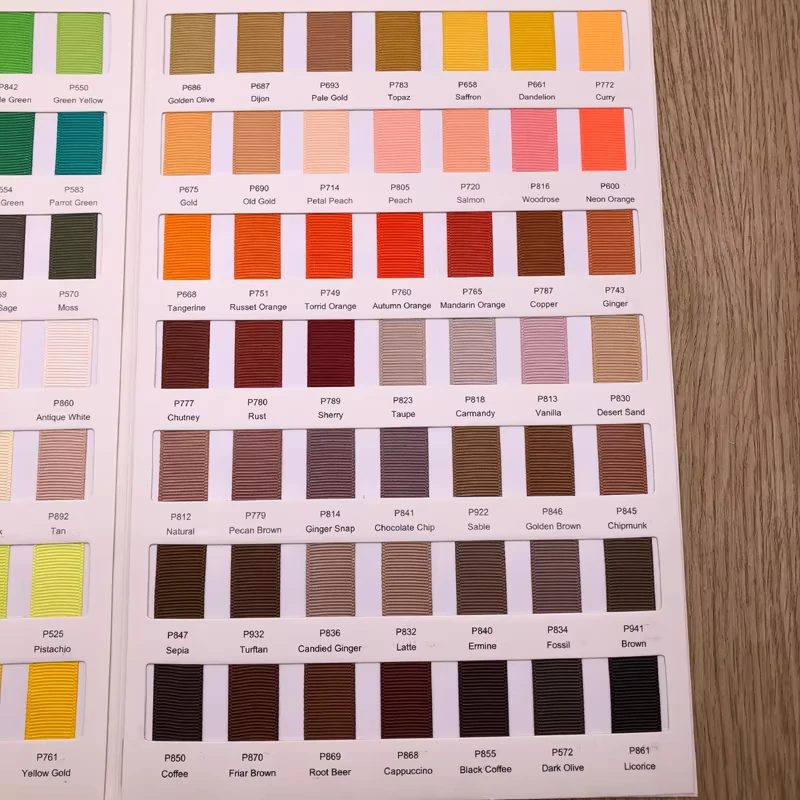
GSM means grams per square meter: it tells you how much a given area of fabric weighs. It does not directly tell you how thick, stiff, strong or expensive that fabric is, and it does not give a pouch's carrying capacity. Use GSM to describe and compare identified materials alongside composition, construction, finish and the finished bag design.
1. Understand exactly what GSM measures
A fabric specified at 180 GSM has a nominal mass of 180 grams per square meter. A smaller piece contributes mass in proportion to its area, before considering measurement variation or changes in condition. GSM is an area-based measurement, so it differs from the total weight of a pouch or a roll.
For a simple arithmetic illustration, a 10 × 10 cm square has an area of 0.01 square meter. If that square weighs 1.8 g, the corresponding calculation is 1.8 ÷ 0.01 = 180 GSM. This example explains the unit; it is not a substitute for an agreed sampling and measurement method.
ASTM lists fabric mass per unit area separately from methods for stiffness, tearing and breaking strength. That separation supports treating these as different properties rather than using GSM as a substitute for all of them. ASTM textile standards directory.
When sourcing, ask whether the quoted weight refers to the finished fabric and whether a coating or other applied layer is included. Confirm the agreed tolerance and measurement basis rather than assuming every roll has one exact value everywhere.
2. Keep GSM separate from thickness and construction
Two fabrics with the same GSM can feel different because yarn size, weave, density, fiber, pile and finishing differ. A raised surface can feel bulky, while a compact construction can feel comparatively flat. A stiff finish can alter how a fabric stands or folds without turning GSM into a stiffness scale.
Similarly, denier describes yarn linear density rather than fabric mass per area. A number such as “210D” does not convert into one guaranteed GSM because the fabric's yarn arrangement and finishing remain unspecified. Ask for both the relevant yarn description and finished fabric data when they are needed.
For a pouch, seams and trims add another level. Even an accurately specified fabric does not establish the strength of a drawstring channel, handle attachment or zipper seam. Review the assembled bag against the intended contents instead of assigning a load rating from the fabric's weight.
3. Use sample weight ranges as comparison briefs
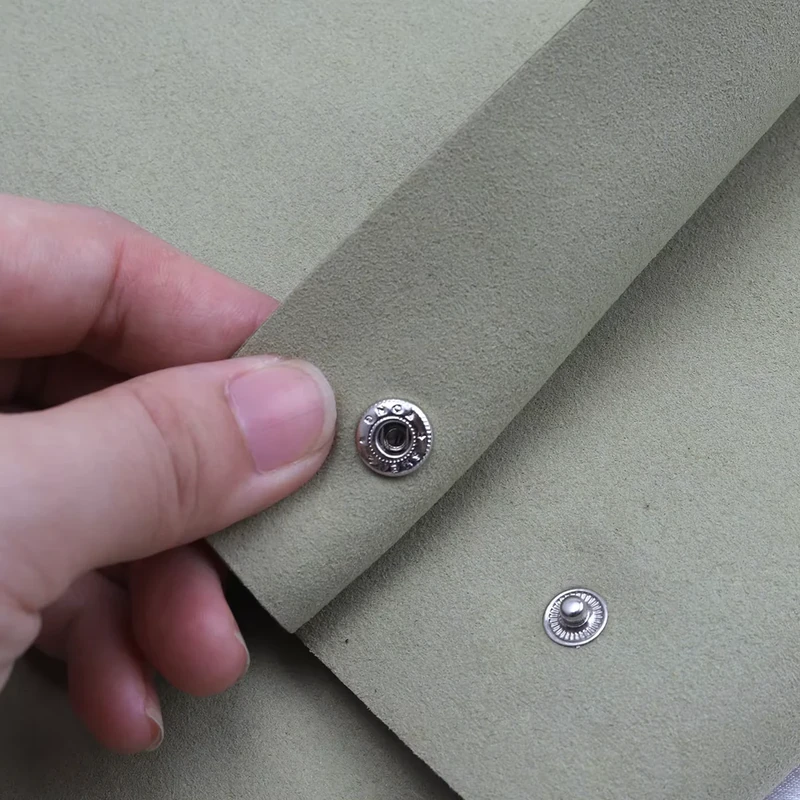
The table provides illustrative sampling ranges, not stock materials, industry standards or performance grades. Available fabrics may fall outside them. Choose a specific fabric reference within or near a range only after reviewing its construction and intended use.
Flat sizes below mean empty finished outer W × total H, including a drawstring channel. The shaped example uses empty outer W × H × D, with the gusset open and D front to back.
| Proposed sample | Illustrative fabric brief | Example outer size | Main comparison question |
|---|---|---|---|
| Light satin gift pouch | Specified satin, 90–120 GSM | 15 × 20 cm flat | Does it create the desired gathered appearance? |
| Softer cotton gift pouch | Plain-weave cotton, 140–180 GSM | 18 × 24 cm flat | Are opacity, feel and logo appearance suitable? |
| Cotton laundry concept | Specified woven cotton, 160–220 GSM | 40 × 61.5 cm flat | Does it close and handle as intended? |
| More substantial gift pouch | Cotton canvas, 240–280 GSM | 18 × 24 cm flat | Is the extra body useful without awkward gathering? |
| Compact travel organizer | Specified polyester, 140–180 GSM | 25 × 18 × 8 cm shaped | Are body, packed weight and zipper behavior suitable? |
Do not compare the satin and canvas rows as stronger and weaker versions of one fabric. They describe different construction directions. For the cleanest first trial, compare two weights within an otherwise closely matched fabric family, or acknowledge the additional variables when the available choices differ.
4. Calculate fabric contribution with a worked example
Suppose you are developing a 20 × 30 cm flat drawstring pouch, approximately 7.9 × 11.8 in at 1 in = 2.54 cm. A simplified estimate using only its two finished rectangular faces gives 2 × 0.20 × 0.30 = 0.12 m². This excludes seam and channel allowances, so it is not the final material requirement.
At 180 GSM, those face areas represent 21.6 g of fabric. At 280 GSM, they represent 33.6 g. The 12 g difference helps explain the effect of changing fabric weight, but neither number is a finished-bag weight.
Now use a hypothetical pattern with two rectangular cuts of 22 × 34 cm each. Their combined area is 0.1496 m². That corresponds to approximately 26.9 g at 180 GSM or 41.9 g at 280 GSM. The pattern is an arithmetic illustration only; an actual pattern depends on construction.
Cord, thread, labels, decoration and any lining add more mass. Cutting waste affects purchased material requirements but is not part of the sewn bag's weight. Fabric width and pattern layout affect purchasing efficiency. Weigh completed approved samples and use actual packing information for shipment planning rather than multiplying a simplified face-area estimate into a freight quote.
5. Connect weight decisions to closure and logo details
Heavier fabric can make a design feel more substantial, but the useful result depends on construction. On a small drawstring pouch, multiple folds meet around the mouth. If the candidate fabric creates a bulky channel, the solution may be a revised channel or trim rather than a larger cord.
For a controlled trial, make the same 18 × 24 cm pouch in two identified fabrics, perhaps one near 160 GSM and one near 260 GSM. These are illustrative development targets. Use the same product, logo and initial closure. Observe loading, gathering, visible folds, logo shape and the amount of space the empty pouch occupies.
Screen print, heat transfer, embroidery and woven or printed labels each interact with the surface and construction. GSM alone cannot determine which method will work. A smooth lighter fabric may present fine artwork differently from a textured heavier one, while dense embroidery can change the feel of either sample.
Use the actual logo at its proposed dimensions. If the bag feels too stiff only where the artwork sits, reducing decoration coverage or selecting another suitable method may solve the issue more precisely than changing the entire fabric.
6. Write a material specification that can be repeated
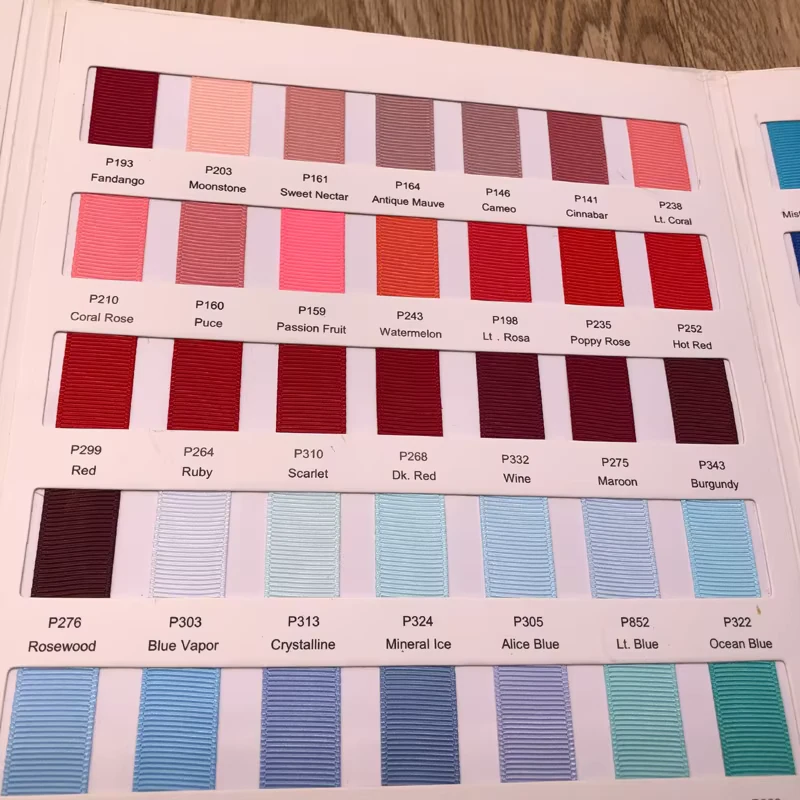
Record the fiber composition, weave or construction, finished GSM and agreed tolerance, color reference, finish and approved fabric identification. Add thickness only if it is relevant and appropriately defined. A swatch reference links those words to an actual appearance and feel.
For the bag, document empty finished dimensions and tolerance, channel or zipper construction, lining, pockets, cord, logo and labels. Specify any functional checks separately. If expected carrying use, care or abrasion resistance matters, agree suitable verification for that requirement instead of attaching an unsupported performance label to a GSM number.
Finally, keep the chosen material reference with the approved sample. Reordering only by “200 GSM cotton” leaves several important variables open. When a replacement fabric is proposed, review its fit, closing action, logo and intended care rather than approving it solely because the weight matches.
Conclusion
GSM is useful when it answers its own question: mass per area of a specified fabric. Combine it with construction, finish and a working pouch sample to make a sound choice. Approve the properties you actually need, rather than asking one weight number to stand for thickness, quality and carrying performance.
Key Takeaways
- GSM measures fabric mass per square meter, not finished bag weight.
- Equal GSM does not guarantee equal thickness, stiffness or strength.
- Use weight ranges to organize sample comparisons, not assign performance.
- Calculate area carefully and weigh finished samples for practical planning.
Frequently Asked Questions
For an initial comparison, you might evaluate a specified plain-weave cotton around 140–180 GSM and a more substantial canvas around 240–280 GSM. These are sample briefs, not universal recommendations. Choose from the actual filled and closed results.
Multiply oz/yd² by approximately 33.906. For example, 6 oz/yd² is about 203.4 GSM, while 8 oz/yd² is about 271.2 GSM. Confirm that the original unit is ounces per square yard, rather than total ounces or ounces per linear yard.
No. GSM measures mass per area, while thickness measures distance through the fabric. Composition, construction, surface and finishing affect the relationship. Request a separately defined thickness measurement when that dimension matters.
No. The finished design includes fabric, seams, closure and any handles. Define expected contents and handling, then agree appropriate construction and verification. A fabric weight alone cannot establish a safe load rating.
Not automatically. The lining has its own purpose, contact surface and effect on fit and bulk. Specify and sample it separately, then evaluate the complete pouch rather than selecting matching weights without a functional reason.
Related Resources
- Cotton versus canvas pouches applies material specifications to a practical comparison.
- Polyester versus cotton travel bags compares complete organizer samples.
- Custom gift pouches introduces fabric and construction choices.
Send your intended contents, size and preferred feel through Contact WisePouch so we can develop an appropriate fabric comparison.
Share your product dimensions, intended use, preferred fabric, closure, logo artwork and estimated quantity. We can review the details needed for a quotation and sample.
Discuss Your Pouch Project