
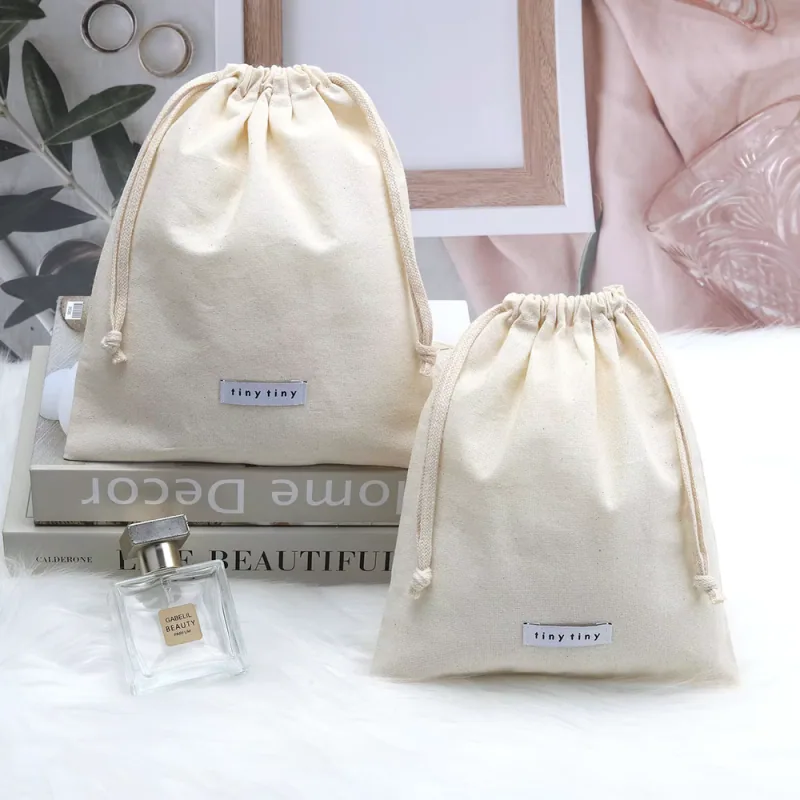
Drawstring Pouch Size Guide: Charts, Fit and Custom Sizing
A practical starting point for choosing pouch dimensions, understanding usable space and building a sensible custom size range.
Read the Guide →Practical guides to pouch dimensions, fabric choices, closures and logos. Compare options, work through sizing examples, and prepare a clear brief for your next sample.
A practical starting point for choosing pouch dimensions, understanding usable space and building a sensible custom size range.
Read the Guide →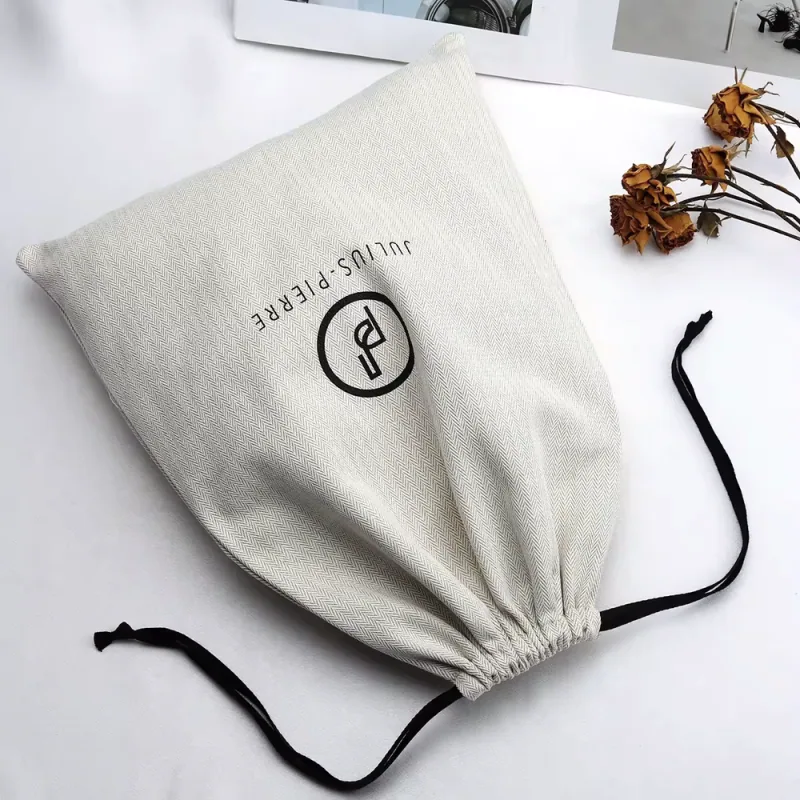
Learn which dimensions to record, how product thickness changes fit and why the drawstring closure needs its own loaded-sample check.
Read the Guide →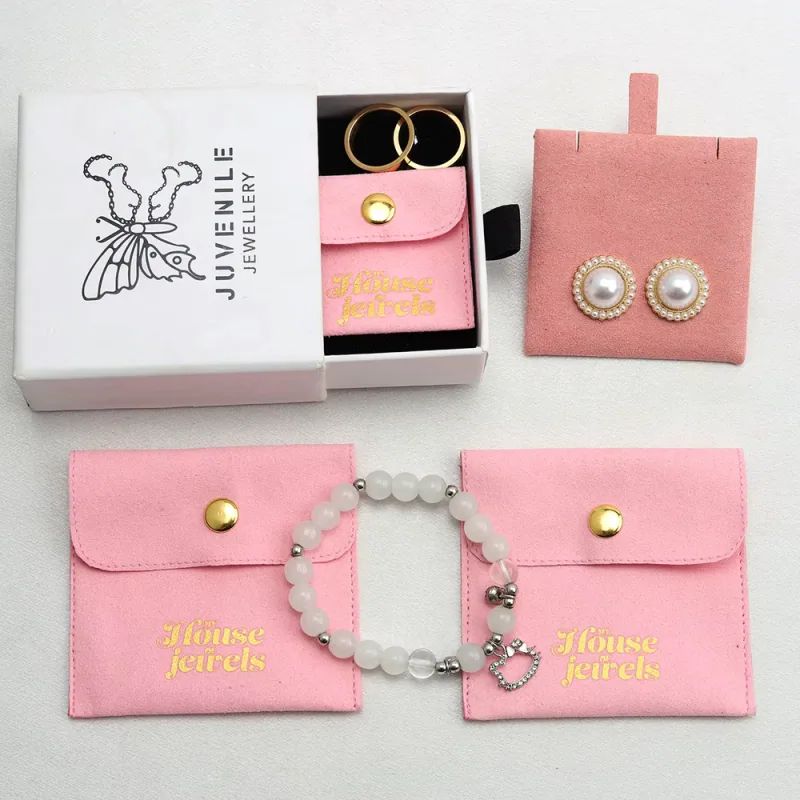
Choose jewelry packaging around the packed piece, its display card and its contact surfaces instead of relying on a generic small-pouch label.
Read the Guide →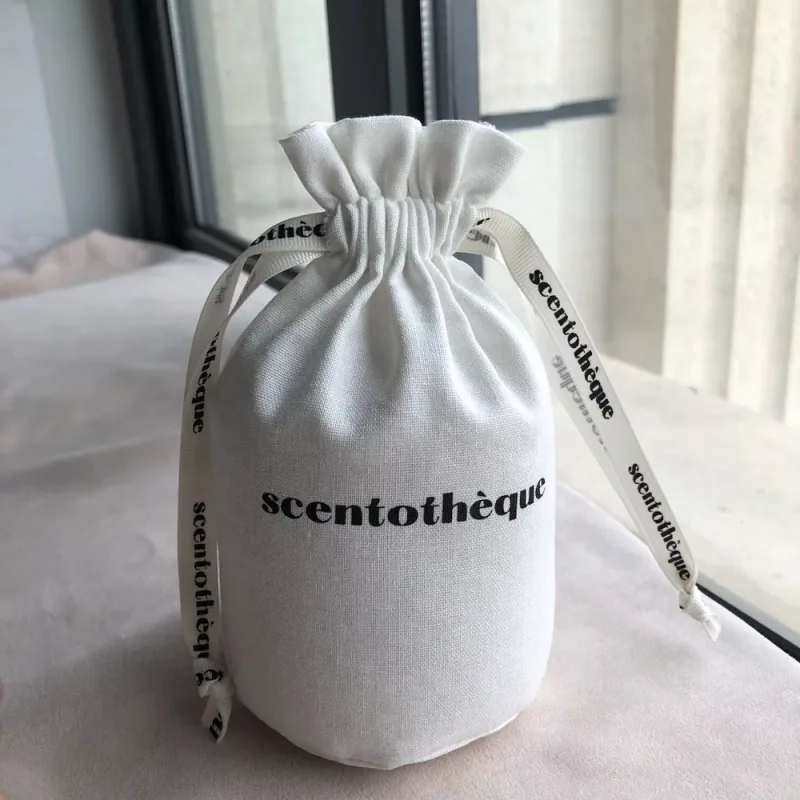
Measure the full handbag silhouette and select a dust bag that accommodates depth, handles and the intended storage arrangement.
Read the Guide →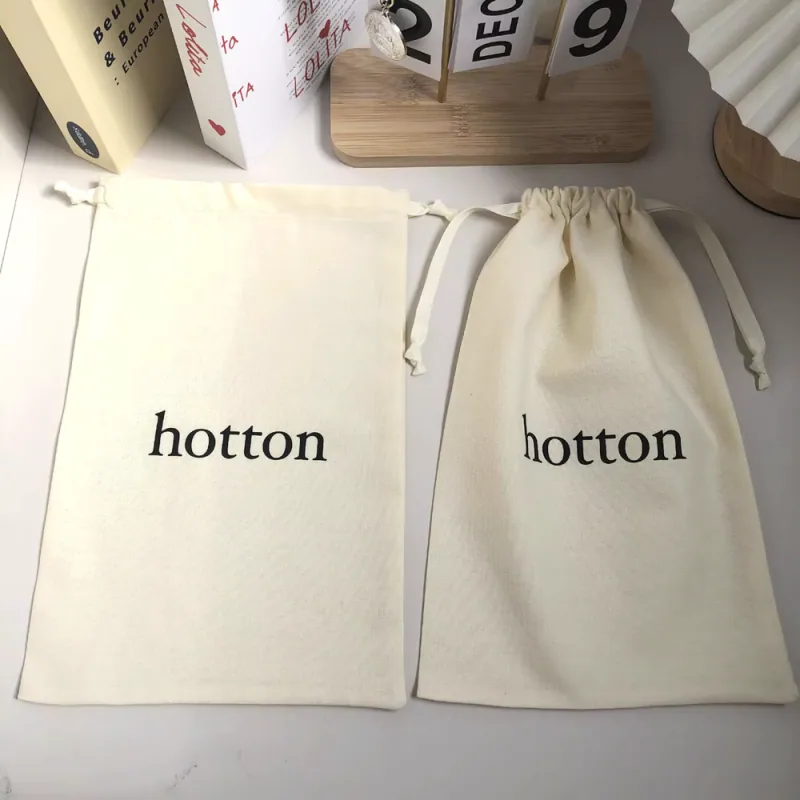
A practical guide to measuring footwear and choosing between individual pouches, one-pair bags and structured travel cases.
Read the Guide →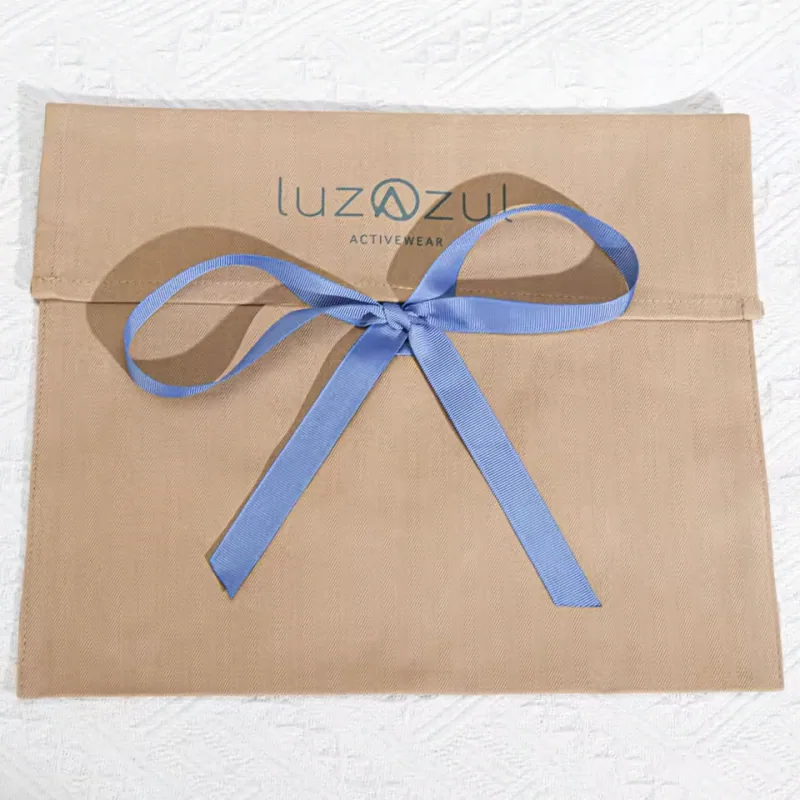
Choose gift pouch proportions around the complete gift assembly and assess how the material, closure and logo look after packing.
Read the Guide →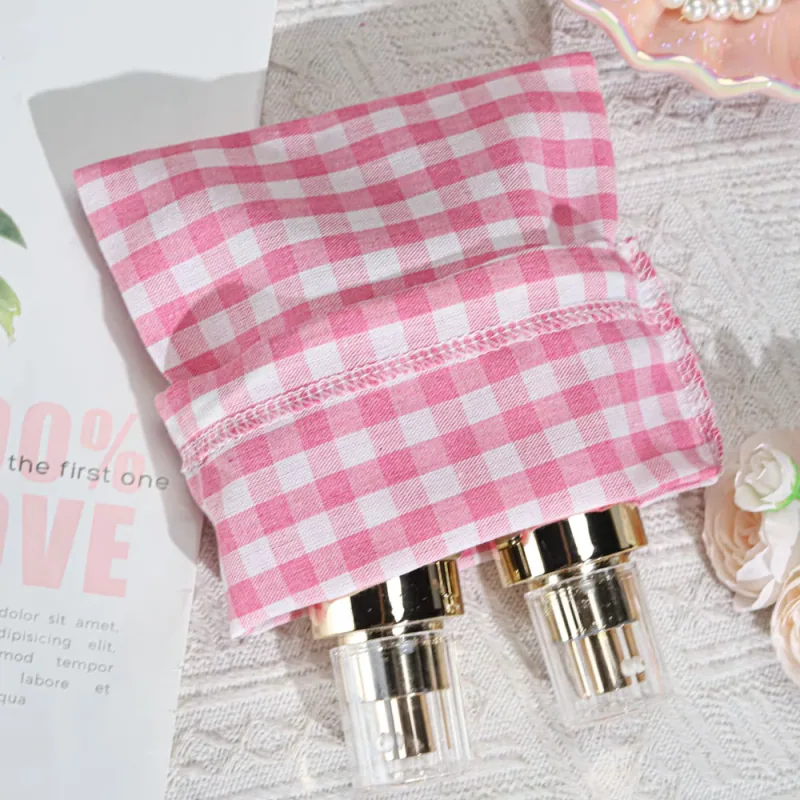
Choose cosmetic bag dimensions from the actual contents, their orientation and the clear zipper opening rather than nominal volume alone.
Read the Guide →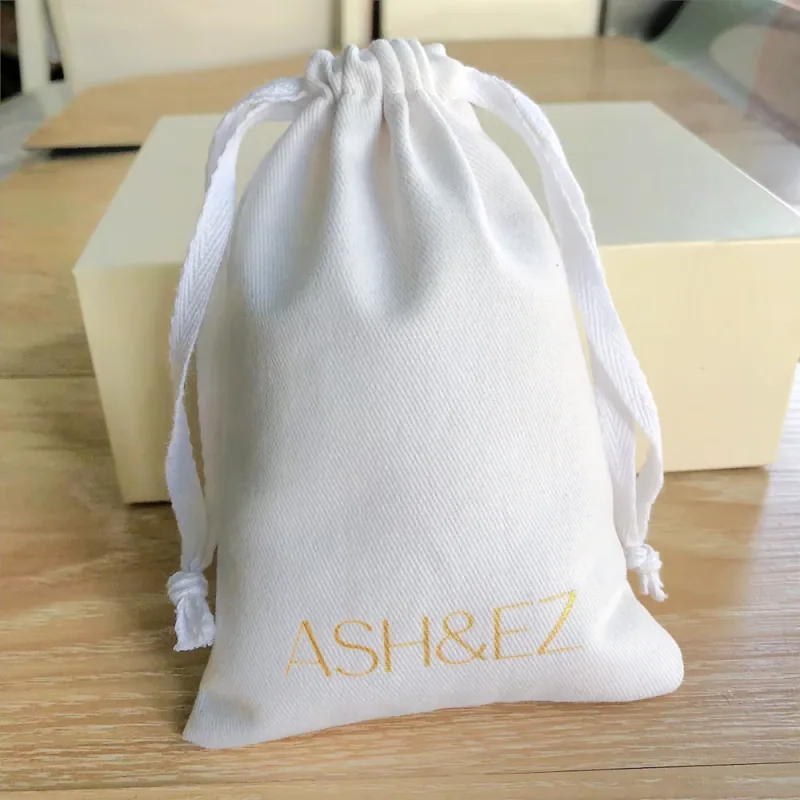
Choose laundry bag dimensions around the actual clothing bundle, collection routine and closure, with practical size examples and a hotel sample brief.
Read the Guide →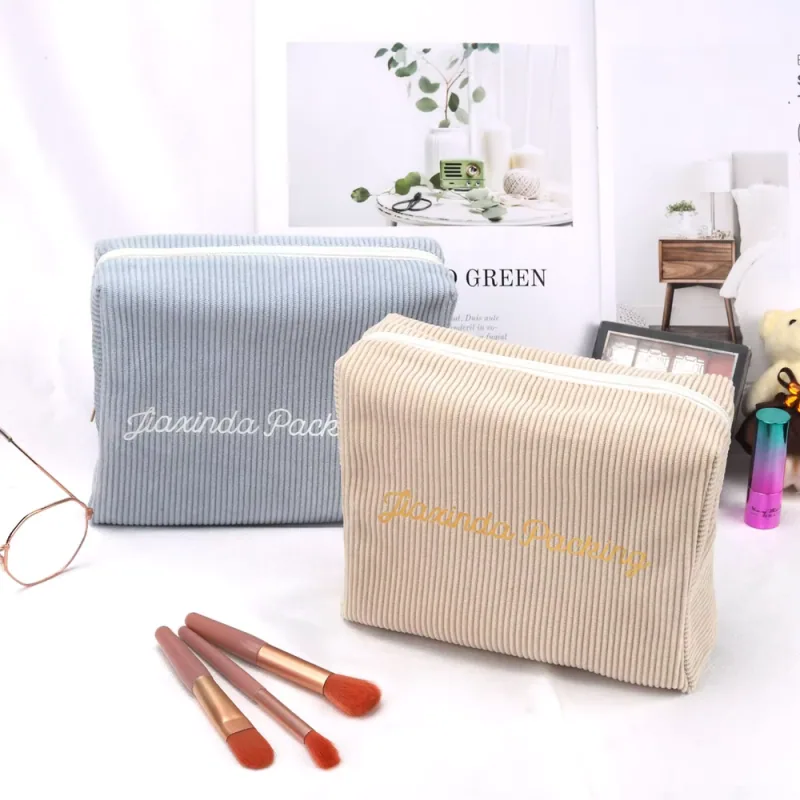
Build useful travel pouch sizes from actual contents and luggage space, with a comparison table, packing example and specification checklist.
Read the Guide →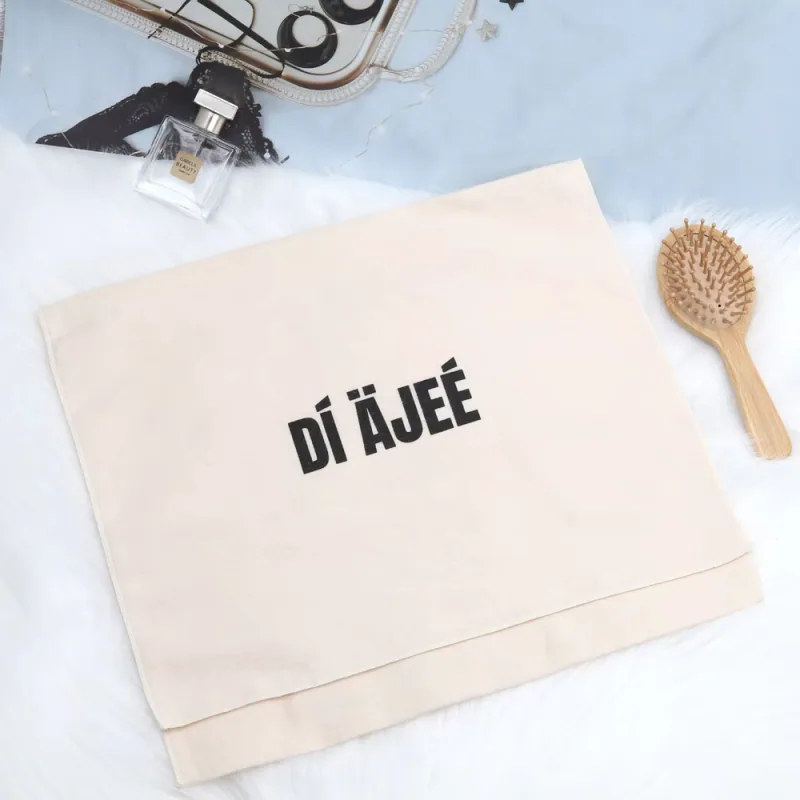
Understand why cotton and canvas overlap, then compare lighter plain-weave cotton with cotton canvas through practical specifications and a boxed-gift example.
Read the Guide →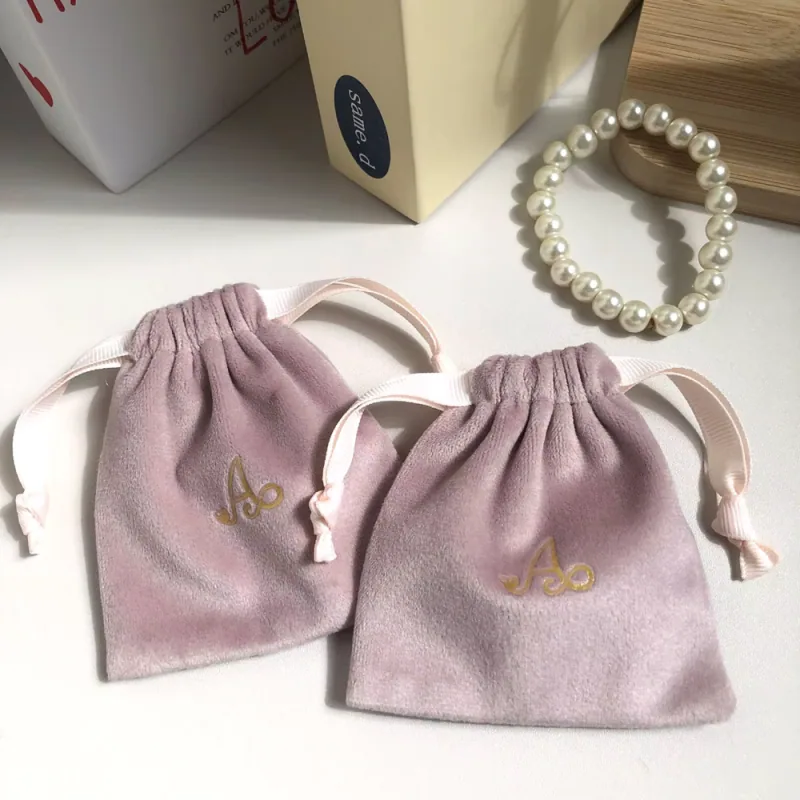
Compare three overlapping soft-surface material descriptions and specify jewelry pouch dimensions, product contact surfaces and branding through samples.
Read the Guide →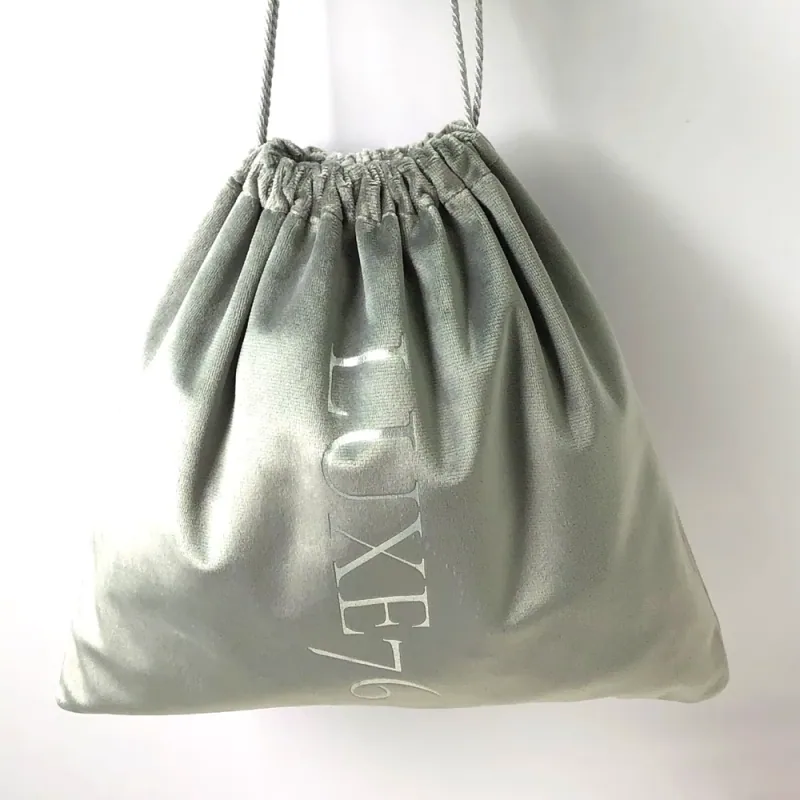
Choose between a lustrous satin presentation and a matte cotton direction while specifying the exact fabric, gift size, closure and decoration.
Read the Guide →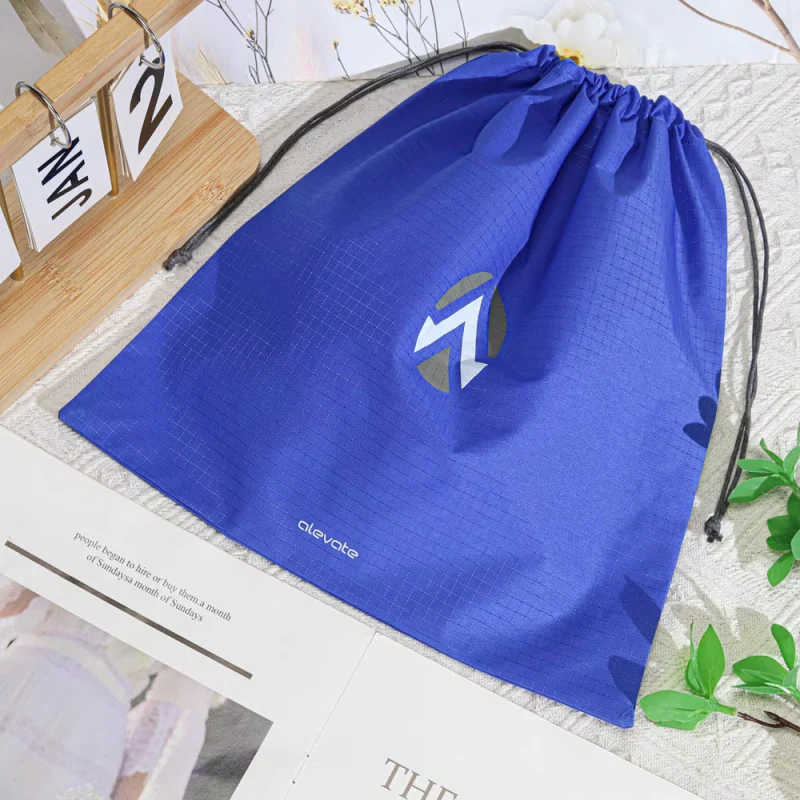
Evaluate polyester and cotton through matched travel-organizer samples, separating fiber identity from weight, water-related claims and complete-bag performance.
Read the Guide →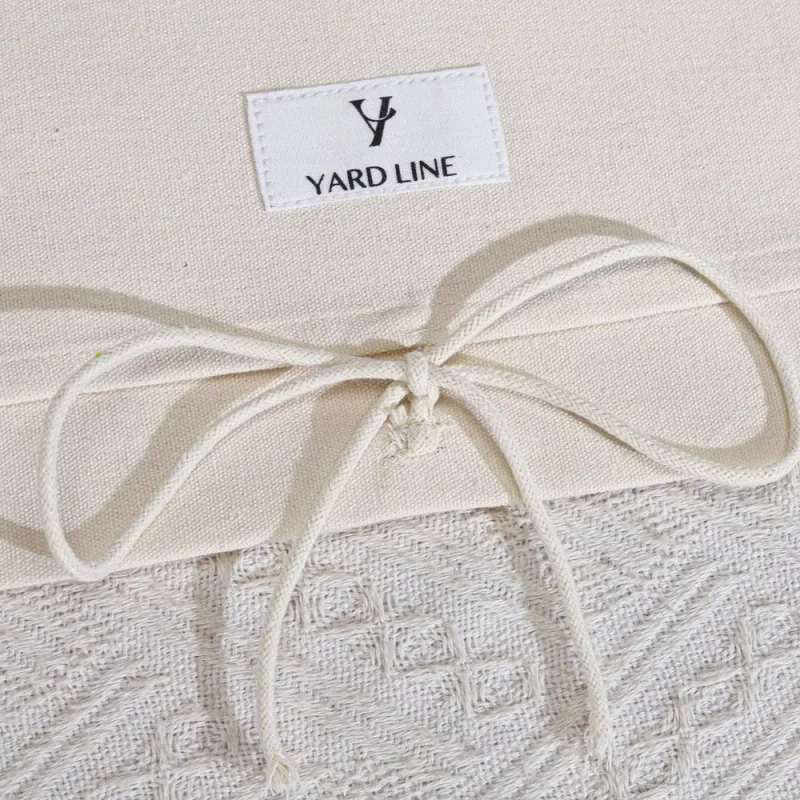
Use GSM as one part of a complete pouch specification, with example weights, an area calculation and a practical sampling decision process.
Read the Guide →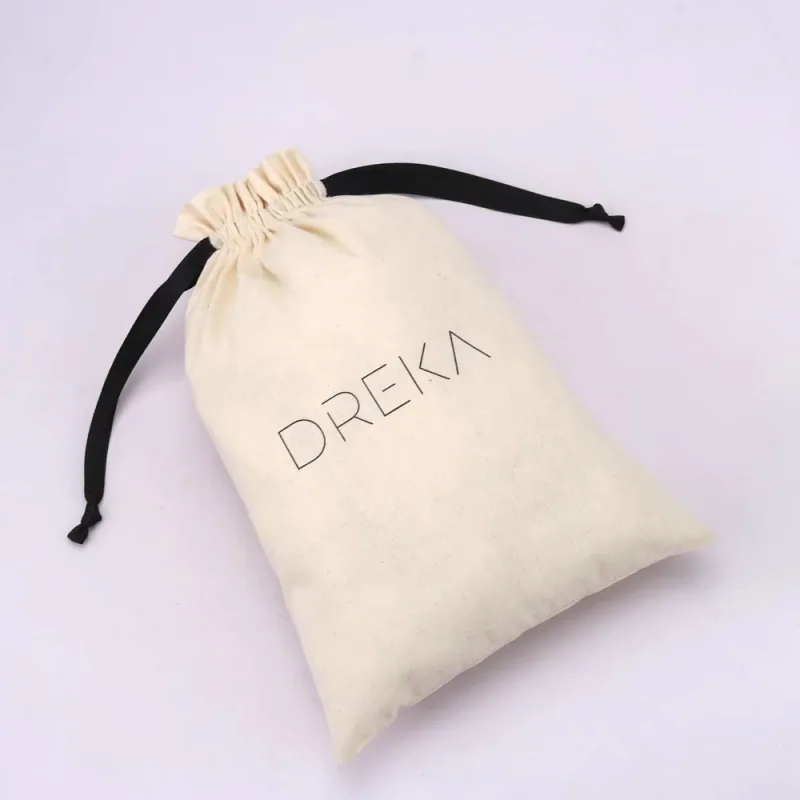
Choose a drawstring route by opening behavior, channel construction and the packed product, with clear dimensions for sample development.
Read the Guide →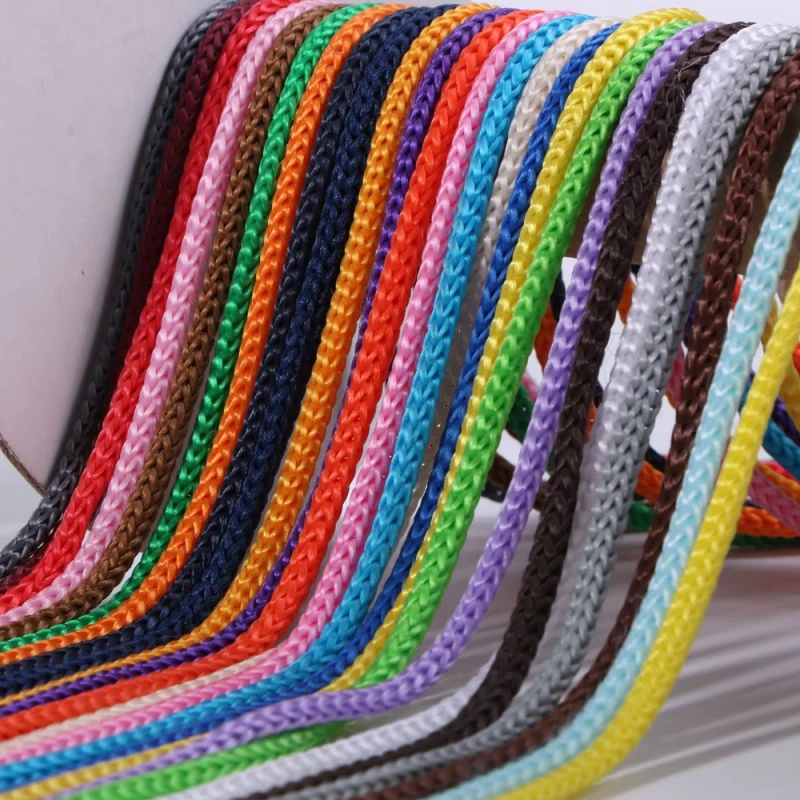
Compare cord fibers and ribbon constructions, then match thickness, channel space and finishing to a real pouch sample.
Read the Guide →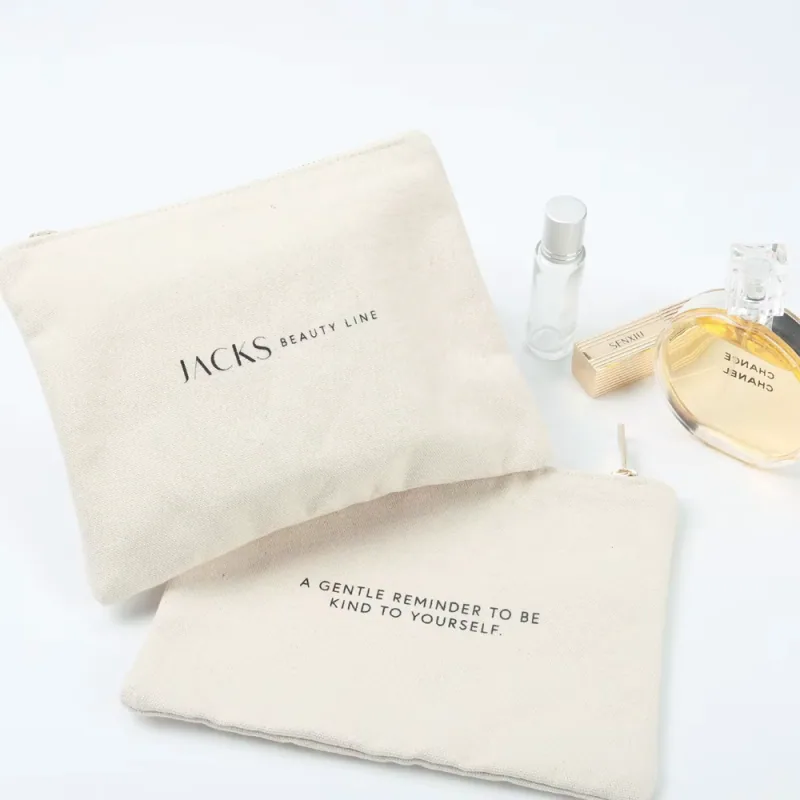
Choose a pouch closure by what must pass through the opening and stay inside, then plan the body size, fabric and logo around it.
Read the Guide →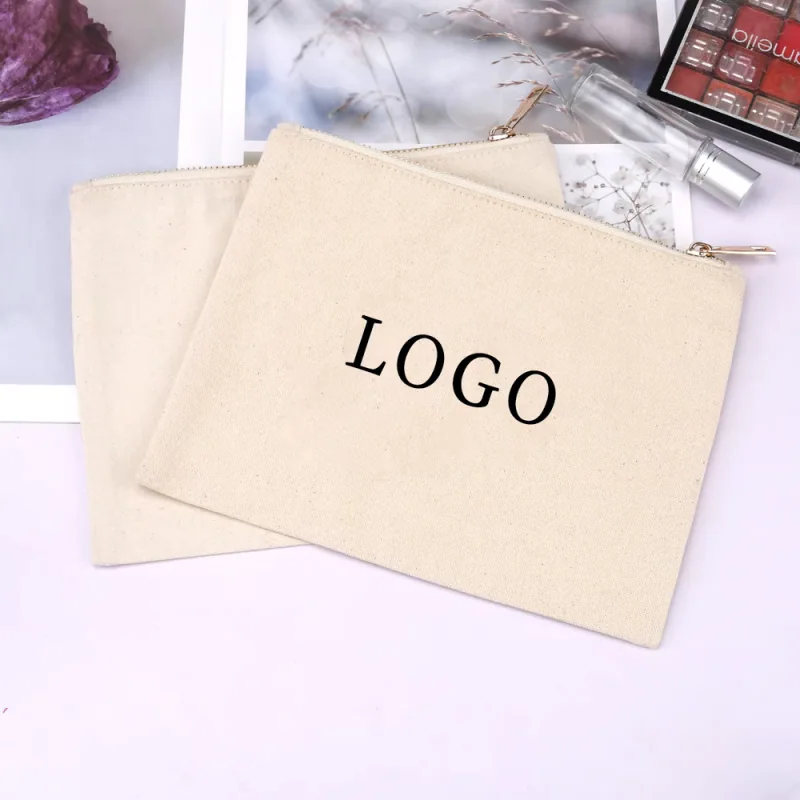
Choose between screen printing, heat transfer, embroidery, woven labels and printed labels with a dimensioned artwork brief.
Read the Guide →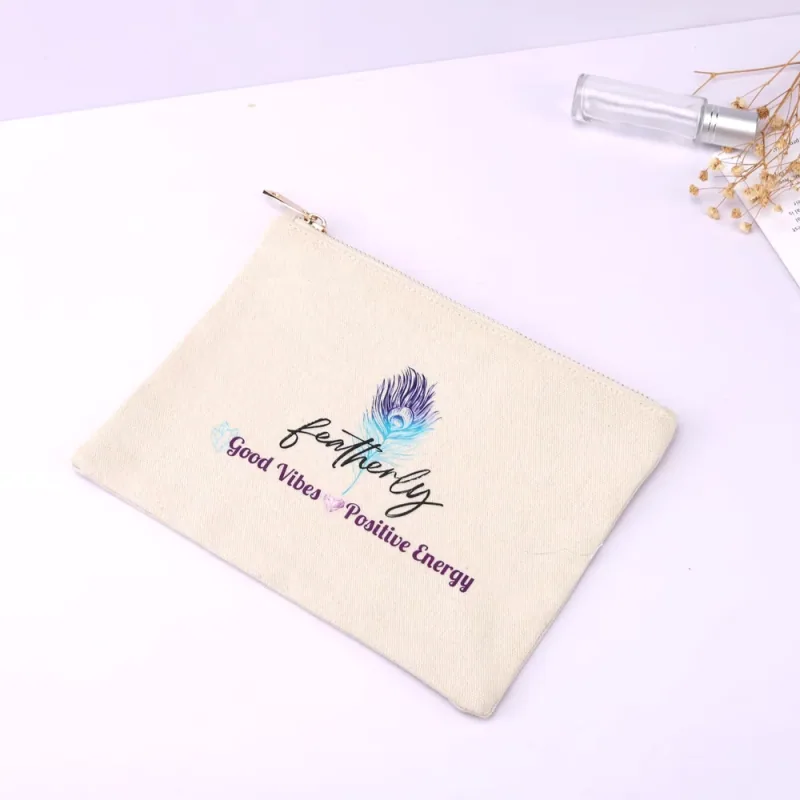
Evaluate printed logos by fabric compatibility, design size, color, hand feel and a fair side-by-side sample comparison.
Read the Guide →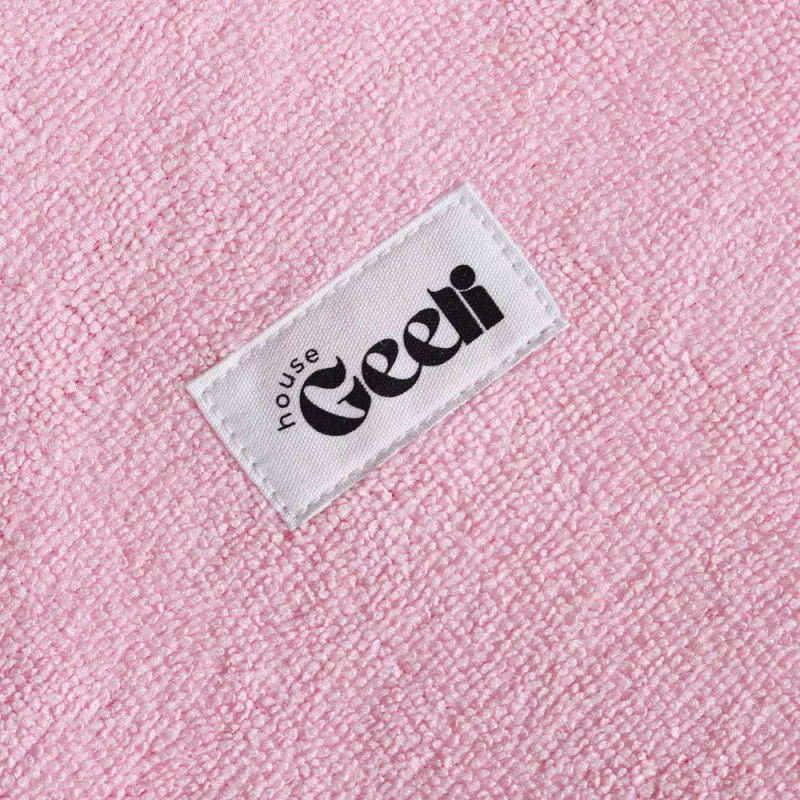
Choose raised stitching or a woven brand label by artwork, fabric support, visible size, attachment and the pouch interior.
Read the Guide →